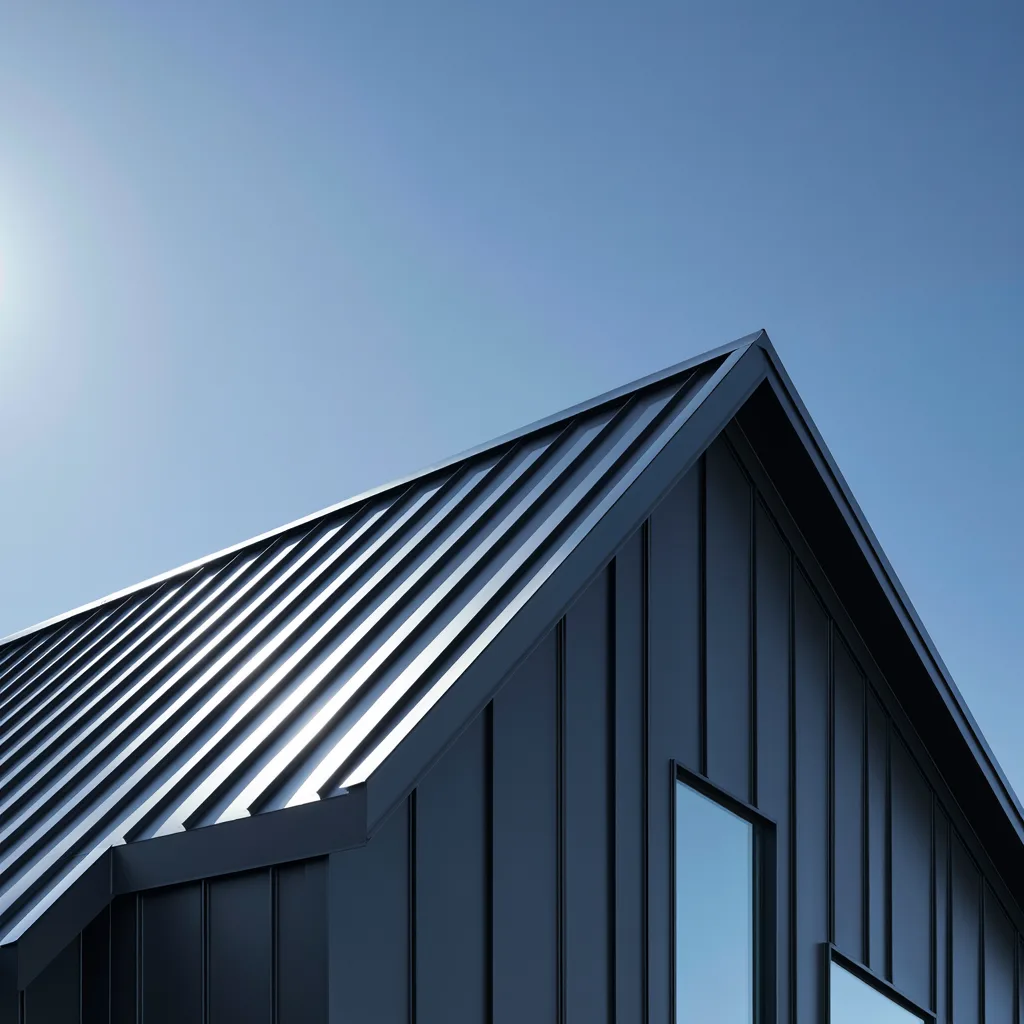
Metal Roofing in Princeton, TX
Standing-seam and exposed-fastener metal roofs solve the connection differently. Understand those details before repairing a panel system or changing from shingles.
Metal roof installation and repair in Princeton
Metal roofing sheds water across panels, seams and trim. Those connections need to remain weather-tight while the metal moves with temperature changes. A well-chosen panel is only part of that job.
For a new metal roof in Princeton, the roof shape, deck, underlayment, penetrations and edge details shape the project. A porch accent and a whole-house roof are different scopes, even when the visible finish looks similar.
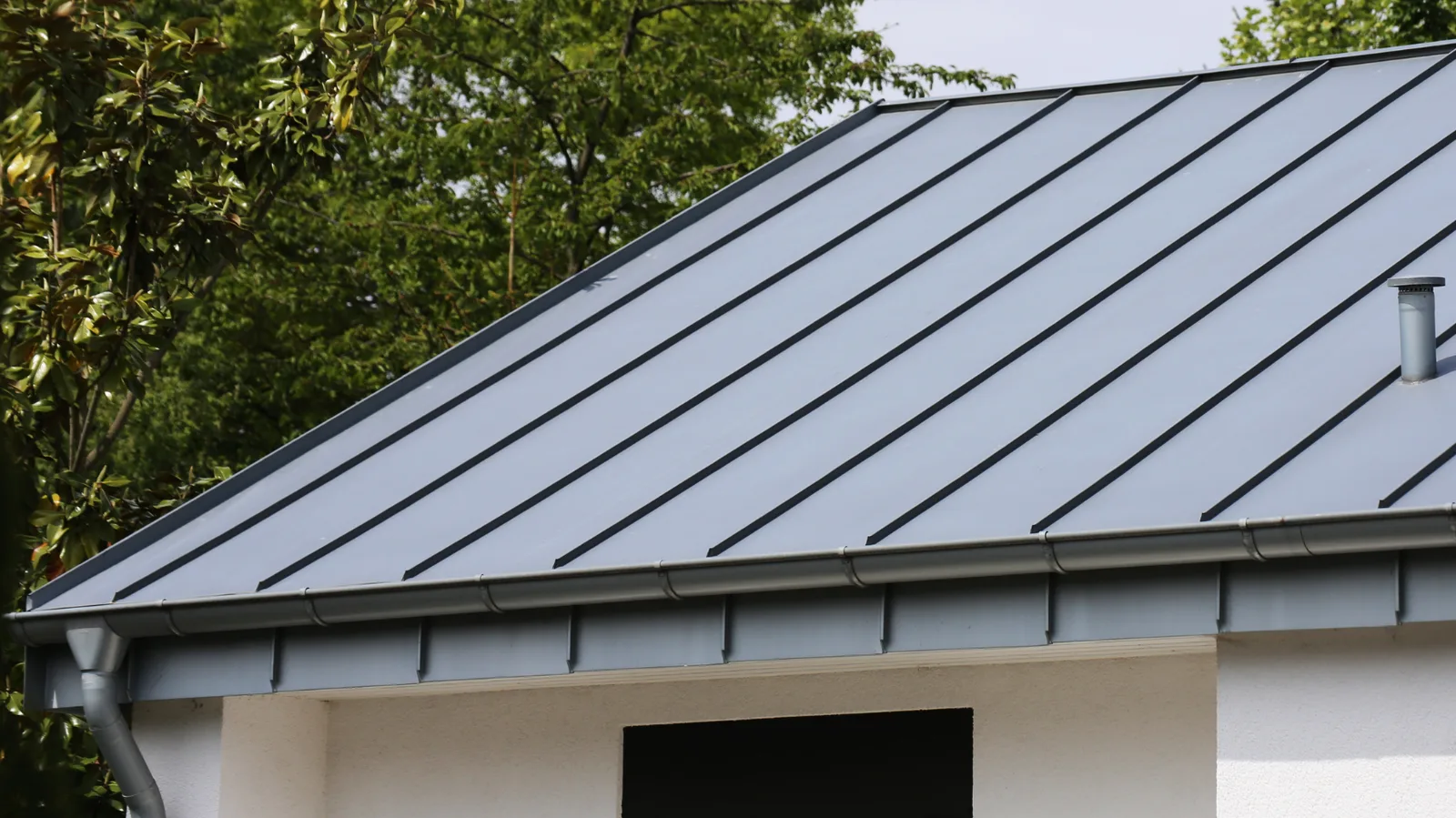
Standing-seam and exposed-fastener metal roofs
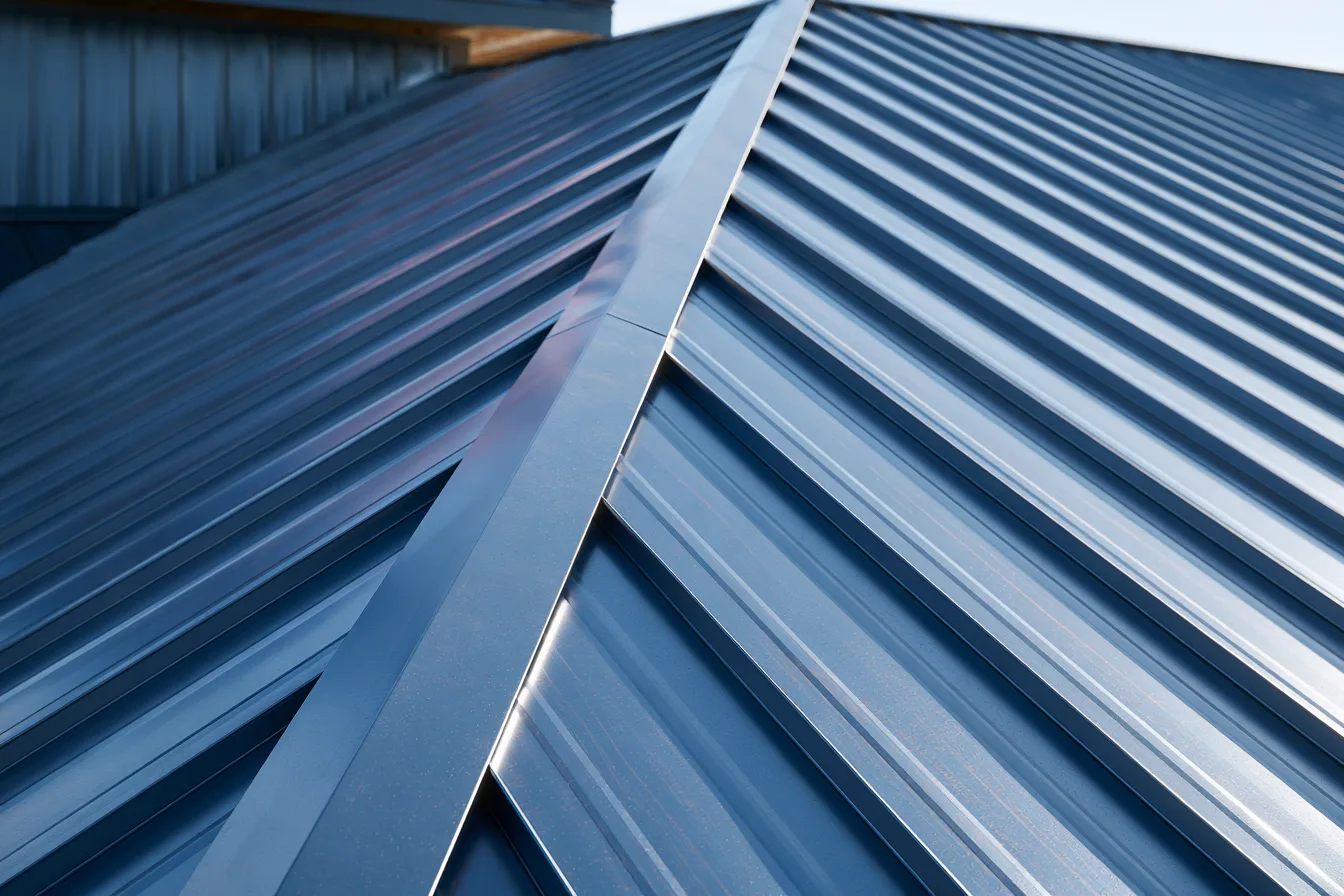
Standing-seam panels
Raised seams and concealed attachment give the field of the roof fewer exposed fastener points. Clips and trim must suit the system and allow the intended movement.
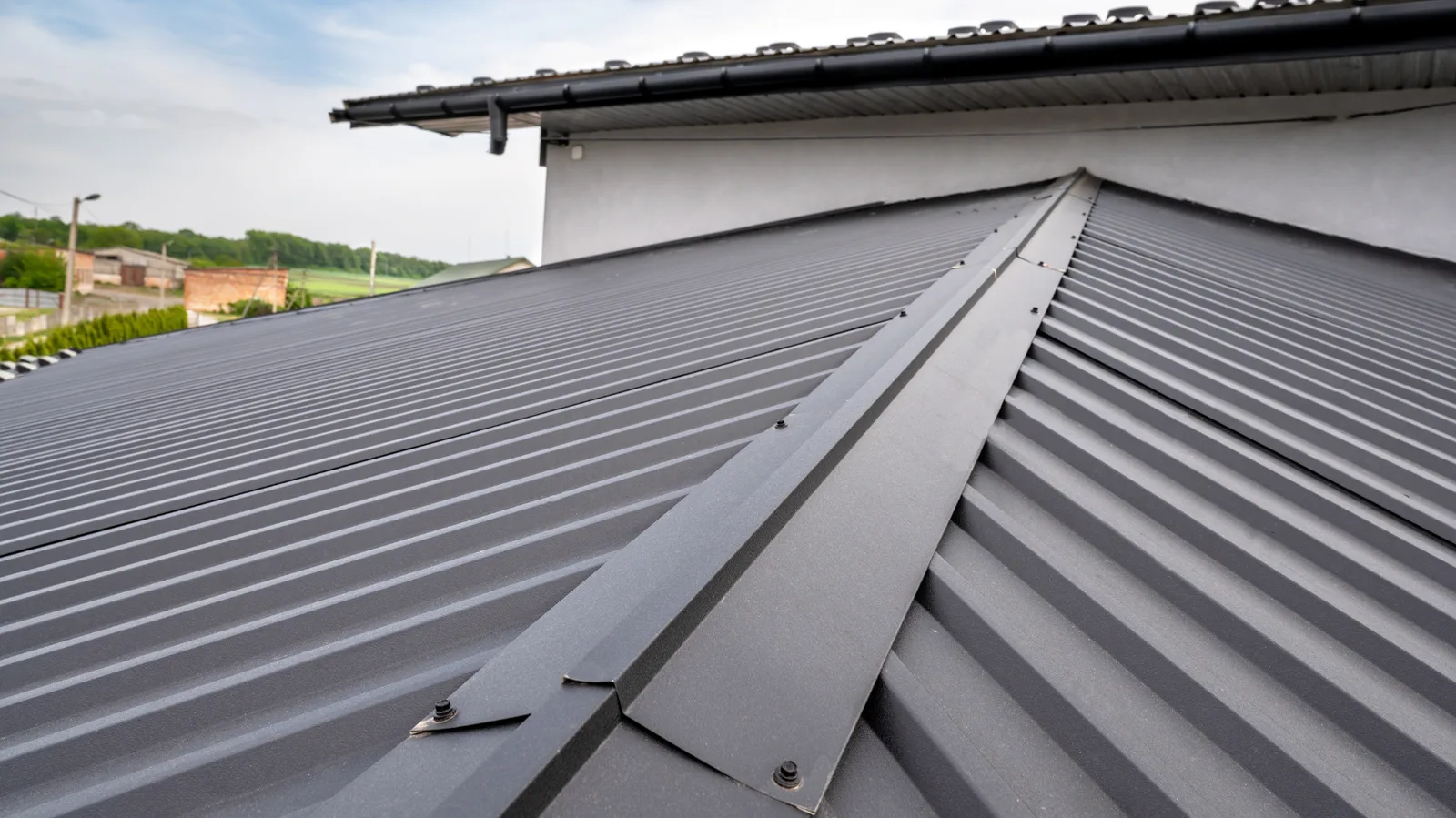
Exposed-fastener panels
Fasteners pass through the panel into the supporting assembly. Washers, fastening pressure and movement matter; a loose or deteriorated seal can create a direct water entry point.
Can shingles stay beneath a new Princeton metal roof?
Consider a homeowner who wants standing-seam metal and hopes to avoid removing the shingles. The roof looks orderly from the yard, but a stain near the chimney has returned after rain. In this illustrative situation, the first decision is what is safe and useful to retain, before comparing a recover price with a tear-off price.
Settle the recurring leak first
New panels do not establish why the stain returned or whether the decking below that area is sound. The connection and surrounding support need assessment. If damaged material must come out, that removal and repair belong in the proposal before new roofing hides the area. A lower disposal allowance cannot stand in for a resolved roof problem.
Compare complete assemblies
Removing the old covering gives access to the deck before the specified underlayment and metal system are installed. A designed recover retains the shingles only where deck condition, existing layers, added load and local requirements allow it. The proposal must identify the selected system’s separation and attachment method. Some systems are designed for recover work; that does not make every metal panel suitable for it.
Keep the roof’s other functions working
The new chimney flashing needs to connect to the selected panel system and allow its intended movement. Underlayment provides backup weather protection; it does not answer the attic’s ventilation question. Existing intake and exhaust paths need to be considered in the complete assembly. Record how later chimney or rooftop-equipment work can be accessed without making unreviewed holes or restraining the panels.
Princeton metal roofing: installation, cost and maintenance
A complete proposal names the panel profile, attachment, finish and supporting assembly. Compare the work at the edges and openings as carefully as the visible field of metal.
| Proposal detail | What it changes at the property |
|---|---|
| Eaves, ridge, walls and pipes | Trim, clips, fasteners and flashings must work together. Restraining a moving panel or using an incompatible pipe detail can create a leak; choosing a heavier-looking panel does not correct that connection. |
| Project budget | For a roughly 2,000–2,600-square-foot roof, regional 2026 DFW planning context puts standing-seam replacement broadly at $22,000–$45,000+. This is not a property quote. |
| Finish and appearance | Color, coating and profile affect the finished look. Keep those selections separate from substrate repairs, slope limits and water-shedding details so a cheaper finish is not confused with a smaller installation scope. |
| Maintenance and future equipment | Keep drainage paths clear and have altered or damaged details assessed. Exposed-fastener seals need attention as they age; concealed-fastener roofs still have flashings and edges to maintain. Plan later rooftop equipment work around the installed assembly rather than adding unreviewed holes or attachments. |
See the roof cost guide for the assumptions behind those total-project examples.
Metal roofing and hail
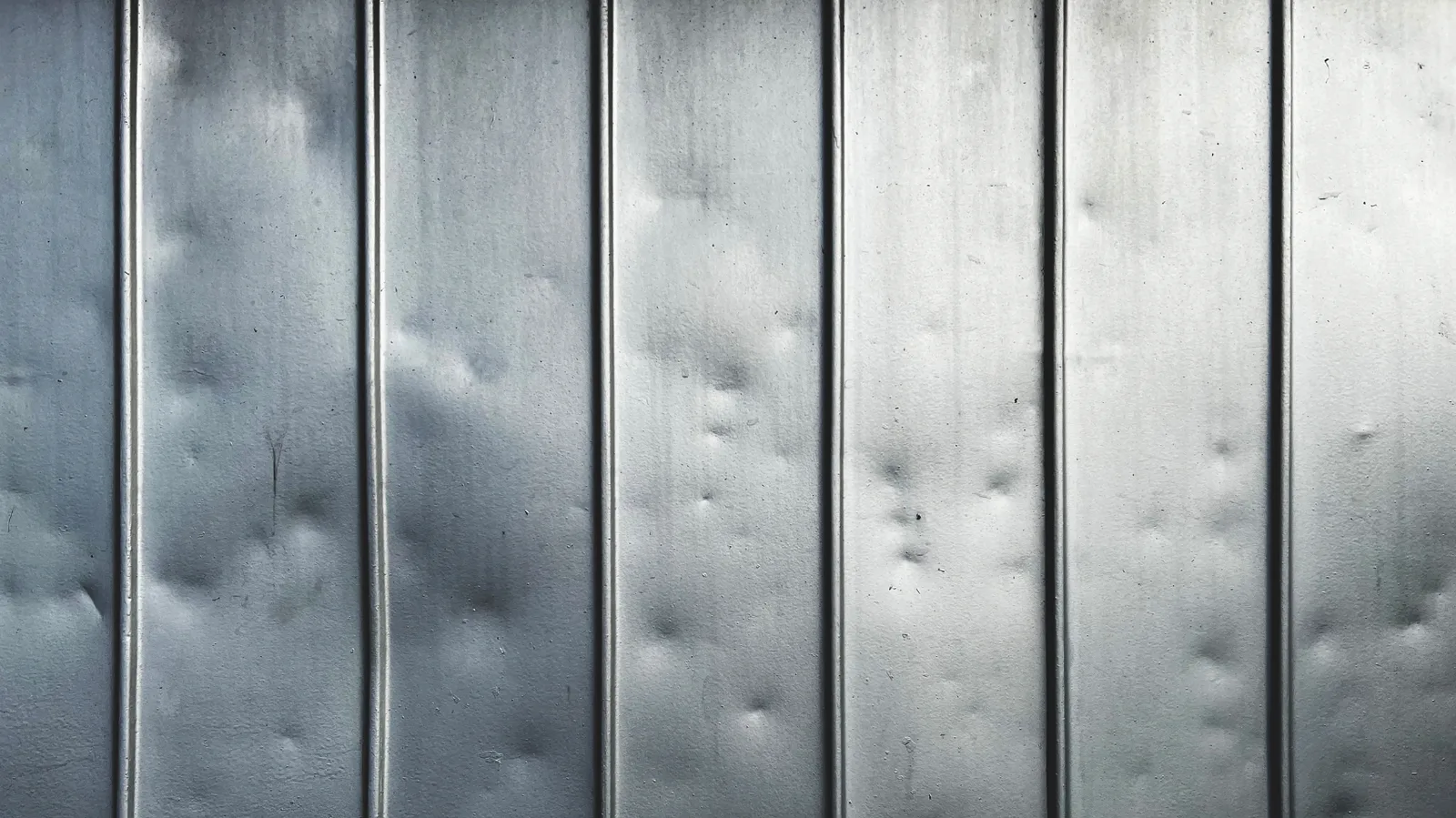
A dent and a leak are different findings. Hail can change a metal roof’s appearance without necessarily opening the covering, but seams, coatings and flashing still need inspection. Insurance policies can also distinguish cosmetic damage from functional damage.
Do not treat a metal panel as a promise of a stormproof roof. The useful question is what the actual impact changed and whether the roof continues to shed water correctly.
Princeton Metal Roofing FAQs
Can a metal roof be installed over shingles?
That depends on the complete roof assembly, existing condition and applicable requirements. Concealing an unsound deck or wet material does not solve the problem. The actual scope determines removal and preparation.
Does a metal roof need attention after installation?
Yes. Fasteners, seals, flashings and drainage still deserve attention. Maintenance needs differ between concealed-attachment and exposed-fastener systems.
Is metal always the better choice for my home?
No single material is right for every roof and budget. Panel fit, appearance, installation details and the cost of the complete project matter together.
Discuss a metal roof for your Princeton property
Tell us whether you are repairing an existing panel roof or considering a material change.