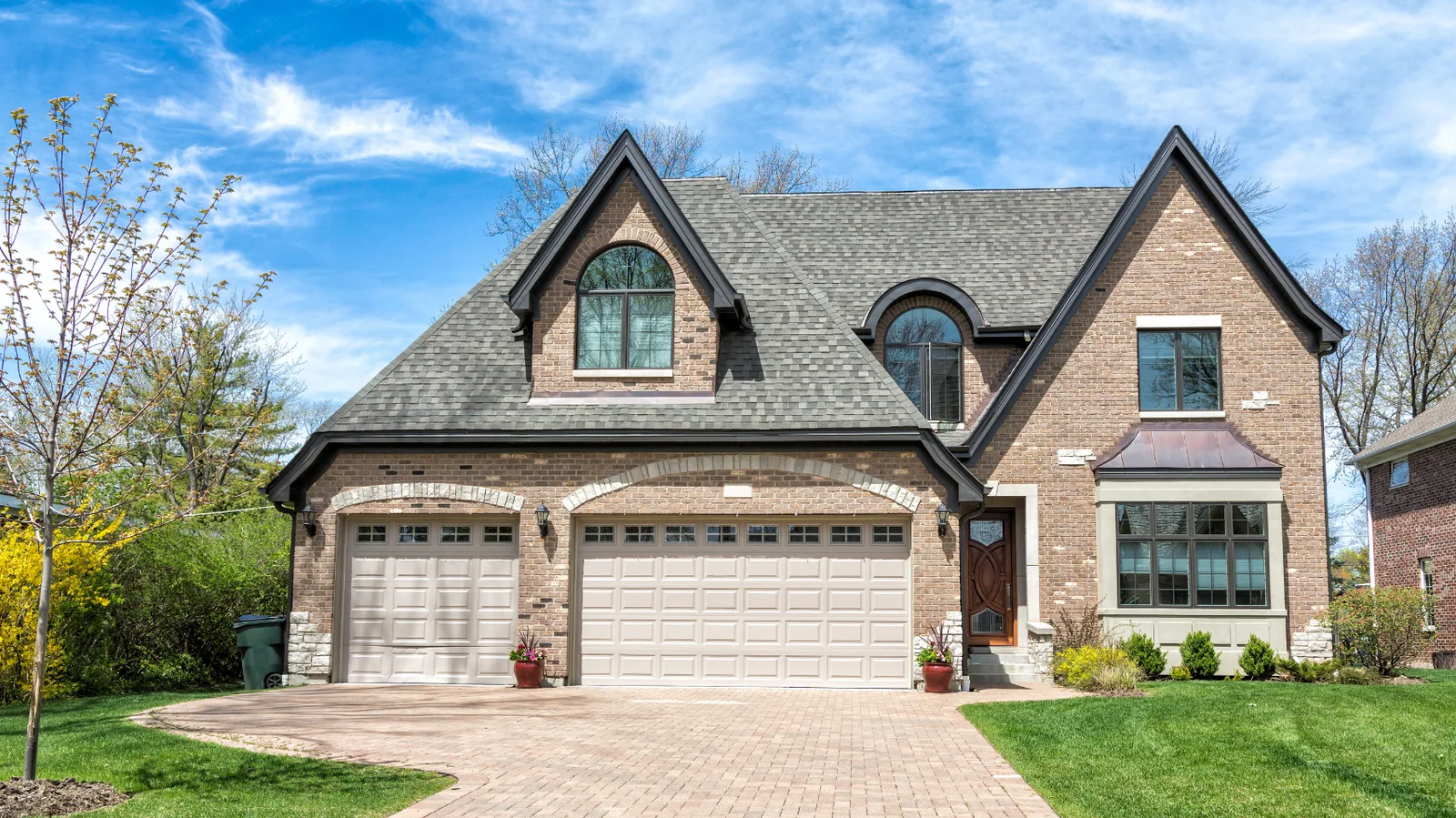
Roof Repair and Replacement Costs
See broad replacement budgets and understand the repair details that change the total project cost.
Roof costs and the scope behind a price
A useful roof budget includes the work, not just the material you can see. Removing old roofing, reaching a steep slope, rebuilding flashing and replacing damaged decking can change the project substantially.
The examples below give regional context for a defined roof size. They are a starting point for planning, while the inspection and the actual project scope determine the price for your property.
Roof replacement budgets and scope assumptions
These are broad 2026 Dallas–Fort Worth contractor-published planning examples for about 2,000–2,600 square feet of roof surface. They are not a measured Princeton average, a quote or Prairie Line Roofing’s prices.
| Replacement choice | Total project range | What the example assumes |
|---|---|---|
| Architectural asphalt shingles | $9,000–$18,000 | A full replacement roof in the stated size range; geometry, removal, details and deck work affect the total. |
| Standing-seam metal | $22,000–$45,000+ | A complete panel system and its trim/attachment; complex roofs and heavier scope can exceed the range. |
A house’s listed living area is not a roof measurement. Stories, garages, porches, slope and overhangs change the roof area. The project measurement resolves that difference.
Roof repair costs and concealed damage
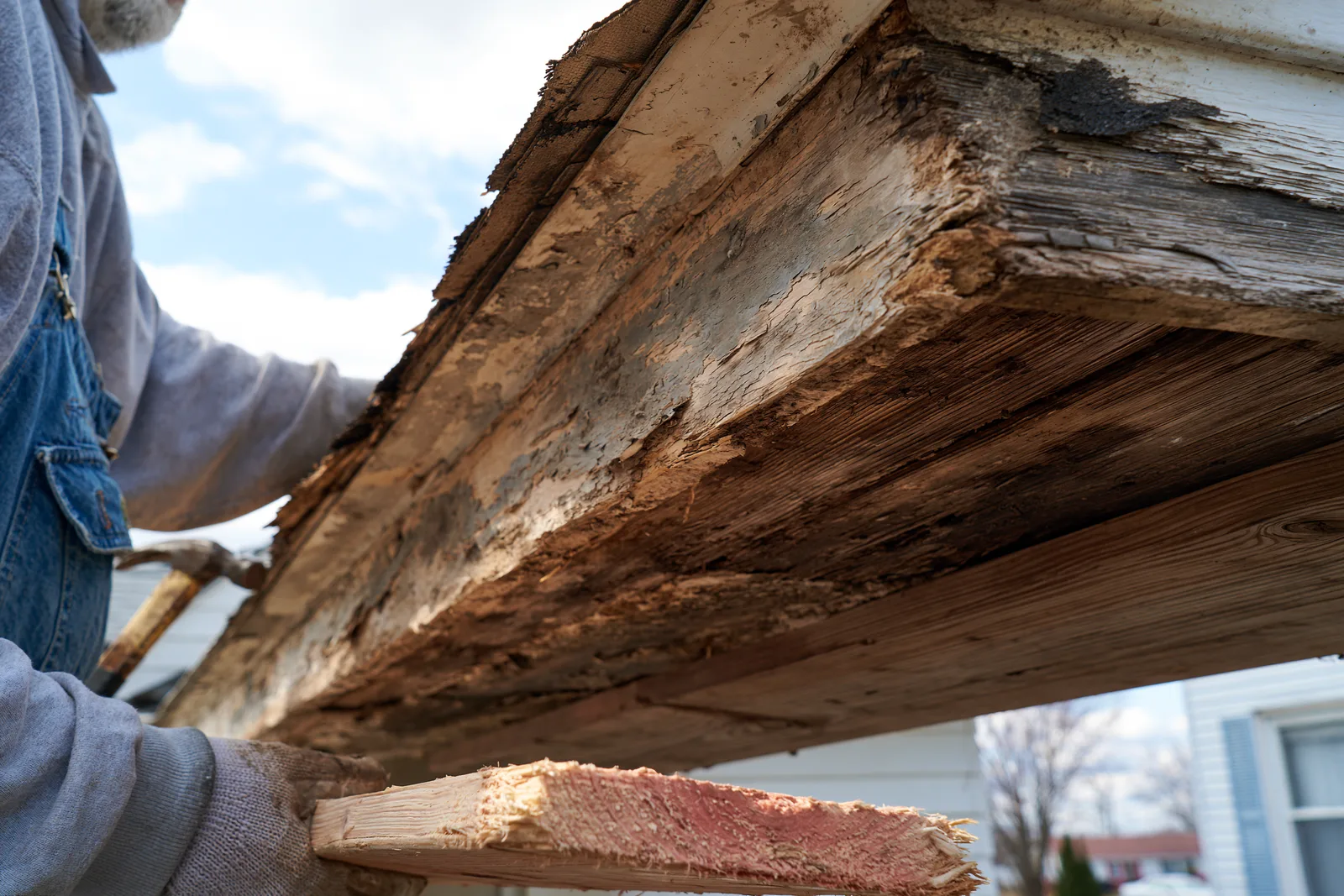
A repair price comes from what failed and what the new work must join. A vent detail on sound shingles is different from a valley with deteriorated decking. Steepness, access, material availability and the amount of roofing that must be opened also matter.
A free inspection can distinguish a limited repair from a larger problem before the work is priced. The estimate should describe both the visible repair and how concealed damage would be handled.
Roof project cost factors
| Project condition | Budget effect |
|---|---|
| Roof shape and access | More changes of direction mean more cutting, flashing and labor. A steep or difficult-to-access roof needs a different work setup from an open, simple slope. |
| What comes off and what is below | Removal, disposal, extra layers and damaged decking change the work. Concealed damage should have a clear treatment in the project terms. |
| The complete system | Shingles or panels are only one part. Underlayment, edges, ventilation and flashing need to be included where the scope requires them. |
Roof project budgets and insurance coverage
Insurance pays according to the covered loss and policy, not simply the full price of any new roof. The claim-payment explorer shows how a deductible and depreciation affect an example.
Warranty coverage is another question
Product and workmanship promises are separate too. The warranty guide explains why a longer advertised term does not necessarily cover the same labor or causes of failure.
Roof Cost FAQs
Why can two roofs on similar houses cost different amounts?
The roofs can have different surface area, pitch, access, layers and damaged decking. Material selection and the extent of flashing or ventilation work also change the total scope.
Is the free inspection a fixed-price roof quote?
No. The inspection helps establish the condition. A contractor’s project proposal and terms establish the agreed price and work.
Can I use the regional range to settle an insurance claim?
No. It is planning context for a reference roof, not an assessment of your property or a coverage valuation. The roof scope and policy govern the claim discussion.
Turn a planning budget into a roof decision
Tell us what you know about the roof. A free inspection helps turn the unknowns into a clearer scope.