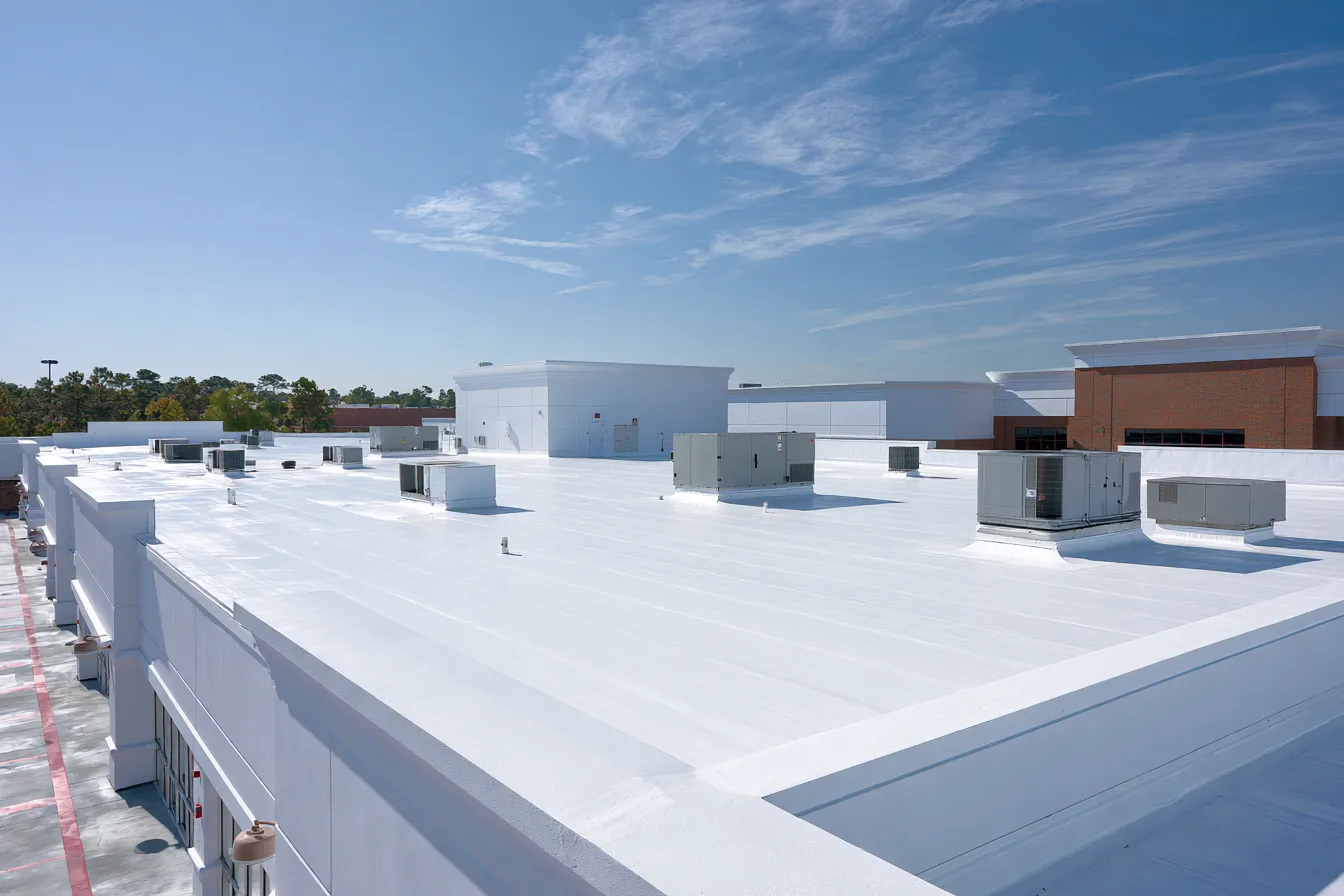
TPO Roofing in Princeton, TX
Repair and replacement guidance for TPO membrane roofs in Princeton. Look beyond the white surface to the seams, attachment, insulation and equipment details.
TPO roof repair for Princeton buildings
TPO is a thermoplastic single-ply membrane used on low-slope roofs. Its sheet seams are heat welded, while the complete system also depends on how the membrane is attached and how it is finished around edges and penetrations.
A seam opening, puncture or worn curb detail can let water enter a roof whose larger surface still looks clean. Repair starts with identifying the membrane and the condition around the defect, then using compatible material and preparation.

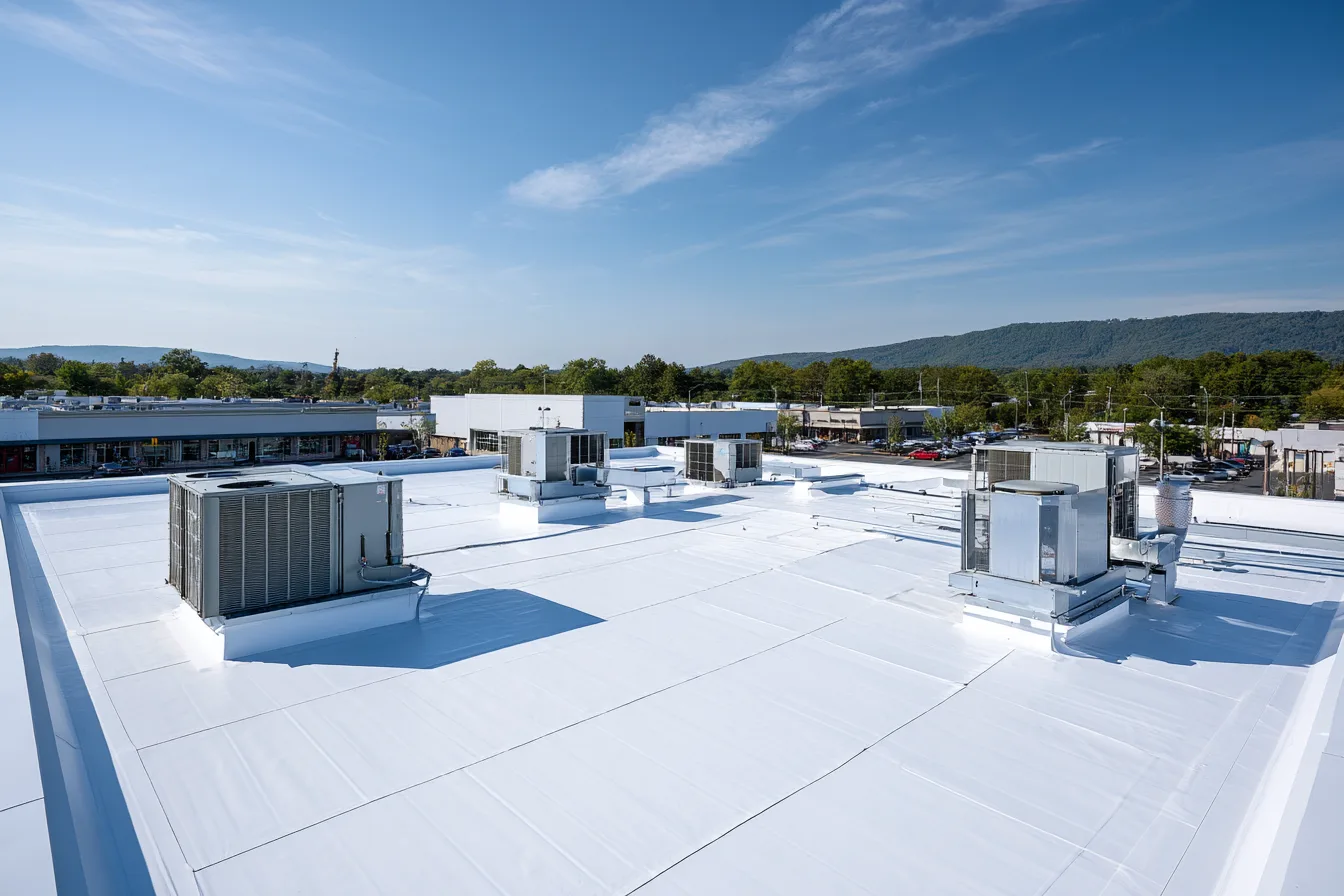
The layers in a Princeton TPO roof installation
Replacing TPO is not simply laying a new white sheet over the same problem.
Deck and attachment
The deck and selected attachment method must support the assembly and its wind design. Loose or deteriorated support changes the project.
Insulation and cover board
Insulation contributes thermal resistance and can shape drainage. Wet or crushed areas need an answer before they are covered.
Membrane and seams
Field sheets, welded laps and reinforced details have to work together. An old repair’s appearance alone does not establish that the bond is sound.
Perimeter and penetrations
Walls, curbs, pipes and edge metal interrupt the field. Their compatible flashing completes the water protection.
TPO repair and replacement options in Princeton
| Finding | Scope implication |
|---|---|
| Limited surface damage | A compatible welded repair can suit a local defect when the surrounding material can be cleaned and joined reliably. |
| Moisture below the membrane | The visible opening can be smaller than the wet area below it. Moisture extent changes removal, insulation and repair scope. |
| A system-wide problem | Multiple failed connections or wider attachment and condition problems call for a replacement discussion, not an ever-growing patch map. |
Equipment access and TPO roof planning
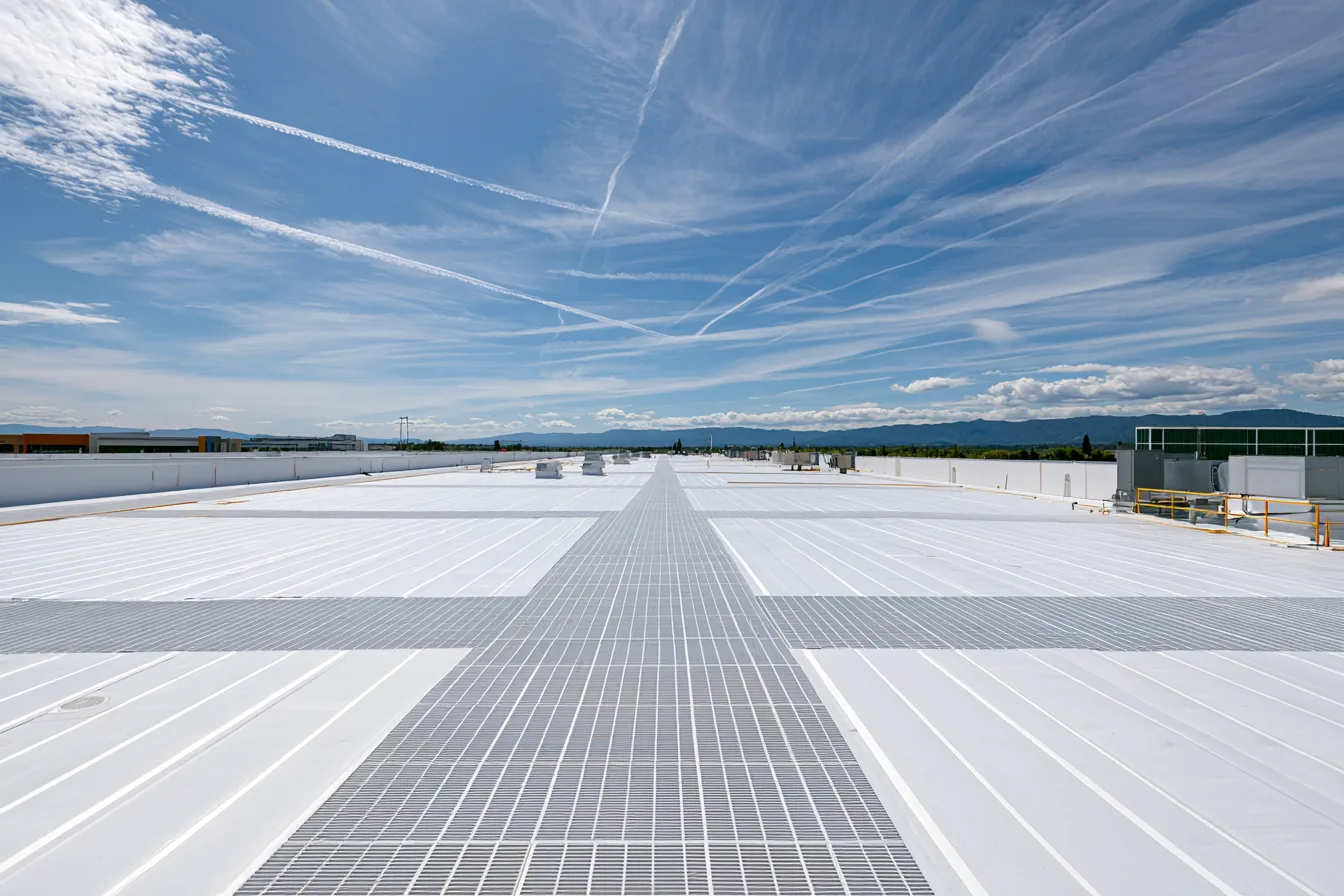
Rooftop service traffic can concentrate around HVAC units. A project should consider safe access and compatible walk protection without blocking drainage or covering inspection points.
Warranty eligibility depends on the selected roof system, installation and contractor qualifications. Those terms belong in the project scope, along with the access and maintenance the roof will need.
For a replacement proposal, membrane thickness alone is not enough information. The insulation, attachment, edge system, flashing and drainage details make up the assembly. Retaining existing layers requires an assessment of their condition and suitability; it is a different scope from removing the roof to the deck.
Existing warranty records can also affect how a repair should be arranged. The contractor and manufacturer requirements need to be checked before work changes a covered assembly. No new membrane label by itself establishes workmanship coverage or eligibility for a system guarantee.
Princeton TPO Roofing FAQs
Can you tell if the roof is TPO from its color?
No. Different membranes and coatings can look similar. Existing records and inspection identify the material before a repair product or welding method is chosen.
Does a thicker TPO membrane solve every roof problem?
No. Thickness is one specification. Deck condition, insulation, attachment, seams, flashing and drainage still determine how the assembly performs.
Can a TPO roof be coated?
Some systems can accept an appropriate coating after their condition and compatibility are established. The restoration assessment comes before that choice.
Discuss your Princeton TPO roofing project
An existing roof record is helpful if you have it. The building address and the problem are enough to start.